
Diabetes and Your Eyes — Why Every Diabetic Needs an Annual Retina Check
Diabetes can quietly damage the delicate blood vessels of the retina long before your vision changes. A yearly dilated eye check is one of the most valuable things a person with diabetes can do.
S By Dr. Shetal Mahendrasinh Raj
India is often called the diabetes capital of the world, and most people with diabetes know to watch their sugar, their diet and their feet. Fewer realise that diabetes is also one of the leading causes of preventable blindness — through a condition called diabetic retinopathy.
What diabetes does to the eye
Persistently high blood sugar damages the tiny blood vessels that nourish the retina, the light-sensitive layer at the back of the eye. Over time these vessels can leak, bleed or close off, and new, fragile vessels may grow. Left unchecked, this can lead to serious, sometimes sudden, loss of vision.
The dangerous part: it starts silently
In its early stages, diabetic retinopathy usually causes no symptoms at all. Your vision can feel perfectly normal while damage is quietly building at the back of the eye. By the time you notice blurring, floaters or dark patches, the condition may already be advanced.
This is why waiting for symptoms is the wrong strategy.
What you should do
- Have a dilated retina examination at least once a year, even if your vision feels fine — more often if your doctor advises.
- Keep your blood sugar, blood pressure and cholesterol well controlled.
- Report any sudden change — new floaters, flashes, blurring or a shadow in your vision — without delay.
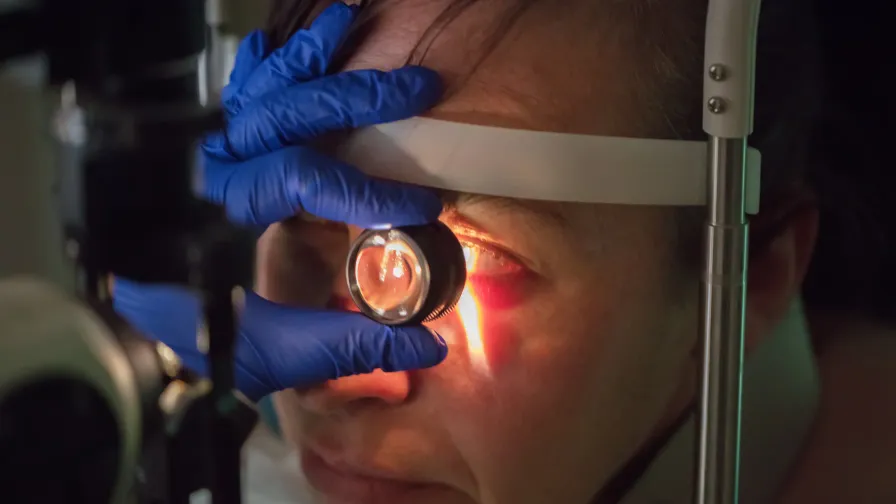
A dilated examination lets us see the retina directly and catch changes early, when they are most treatable with laser, injections or other care. You can learn more about our retina and macula services here.
With diabetes, your eyes can look after you — but only if you let someone look after them, every year, before anything goes wrong.
If you or a family member has diabetes and hasn’t had a retina check in the last year, that check is worth booking now.
This article is general information, not a substitute for a personal consultation. If you have concerns about your eyes, please get in touch.
Have a question about your eyes?
A short conversation is often all it takes. We’re happy to help.
Book Appointment