
Contact Lens
Contact lenses correct refractive errors just as glasses do, whether myopia (nearsightedness), hyperopia (farsightedness), astigmatism or presbyopia. With proper care and hygiene, they are a safe and effective alternative to eyeglasses.
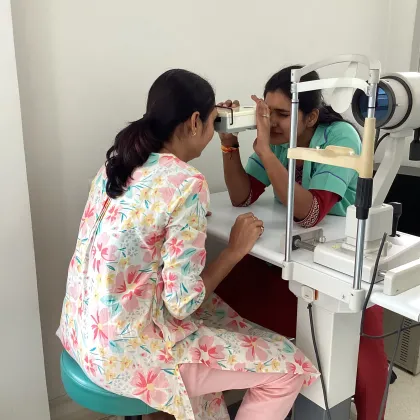
Contact lenses give you clear vision without frames, but that freedom comes with responsibility. When lens hygiene slips, the consequences can genuinely harm the eyes, which is exactly why we take the fitting and the after-care as seriously as we do.
If your lenses tend to feel dry, there is good news. Regular use of lubricating drops, together with a few simple lifestyle adjustments, can ease contact-lens dryness considerably.
Contact Lens — your questions answered
Which is the most frequently used contact lens?
Contact lenses come in two types — hard and soft. Soft lenses are the choice of most wearers because they hurt less and are accepted quickly.
What are the different types of soft contact lenses?
A variety of soft lenses are available depending on how you prefer to wear and remove them:
- Extended-wear lenses
- Daily, weekly and monthly disposable lenses
- Toric contact lenses
- Bifocal contact lenses
What are cosmetic or coloured contact lenses?
These change the appearance of your eye colour and can also correct a refractive error.
How do I care for my contact lenses?
- Always wash your hands with a medicated soap before handling lenses.
- Clean lenses as directed — rub and rinse thoroughly, then soak overnight in enough fresh multi-purpose solution to cover the lens.
- Store lenses in a proper case; clean it after each use, keep it open and dry, and replace it every three months or sooner.
- Use only products recommended by your eye doctor — saline and rewetting drops do not disinfect lenses.
- Use only fresh solution; never re-use old solution, and change it per the manufacturer’s schedule even if lenses aren’t worn daily.
- Follow the recommended replacement schedule.
- Remove lenses before swimming, using a hot tub, or going to bed.
- See your eye doctor for your regularly scheduled contact-lens and eye examination.
Related care
All services Dry Eye Gritty, stinging, tired eyes at the end of the day? Dry eye is common, and while it can’t always be cured, its symptoms can usually be well controlled.
  Children & Infants Children’s eyes have different needs, and some conditions, like amblyopia, are only treatable before age 7. Early, gentle, age-appropriate assessment matters.