
Living Well with Low Vision — How Rehabilitation Helps
When vision loss can't be fully corrected by glasses, medicine or surgery, life doesn't have to shrink. Low-vision rehabilitation helps people keep reading, moving and doing the everyday things that matter — independently.
S By Dr. Shetal Mahendrasinh Raj
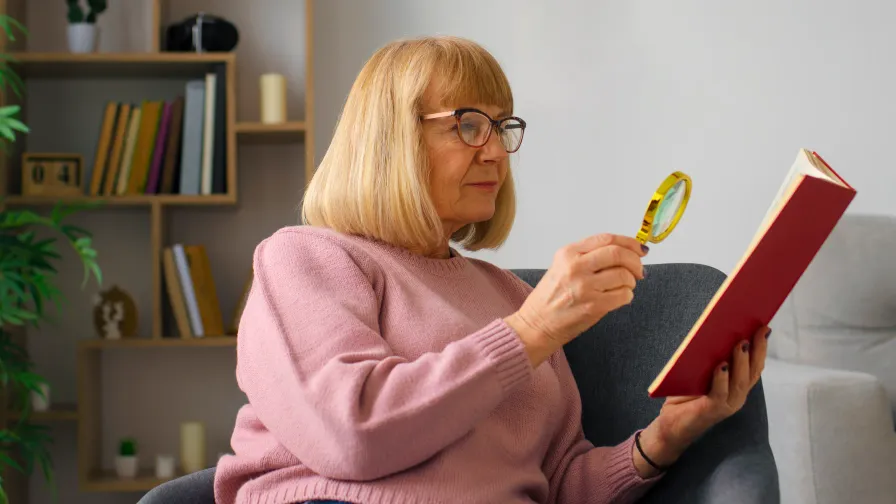
Not all vision loss can be reversed. When conditions like advanced glaucoma, macular degeneration or diabetic eye disease leave vision that glasses, medicine or surgery can’t fully restore, it’s easy to feel that independence is slipping away. Low-vision rehabilitation exists precisely for this moment — to help people make the very most of the sight they still have.
What “low vision” means
Low vision is meaningful, permanent vision loss that isn’t fully corrected by ordinary spectacles — but it is not blindness. Most people with low vision retain useful sight, and the goal of rehabilitation is to help them use that remaining vision as effectively as possible for daily life.
How rehabilitation helps
Rehabilitation is practical and personal. Depending on your needs, it can include:
- Magnifiers and reading aids — handheld, stand or electronic — to keep reading and hobbies going.
- Better lighting and contrast — small changes at home that make a big difference.
- Large-print, high-contrast and audio tools, and accessibility features on phones.
- Training and strategies for moving around safely, recognising faces, cooking and managing everyday tasks.
- Guidance for family on how to support without taking over.
The aim is not to restore lost sight, but to restore confidence and independence.
Small changes, big difference
Something as simple as a good task lamp, a bold-lined notebook, or the right magnifier can return activities a person had quietly given up — reading a grandchild a story, checking a medicine label, following a recipe. You can read about our low-vision rehabilitation service here.
Rehabilitation doesn’t measure success by the eye chart. It measures it by the life you’re able to keep living.
If you or someone you love is finding daily tasks harder because of permanent vision loss, know that support exists — and it can genuinely change everyday life.
This article is general information, not a substitute for a personal consultation. If you have concerns about your vision, please get in touch.
Have a question about your eyes?
A short conversation is often all it takes. We’re happy to help.
Book Appointment