
Contact Lens Do's and Don'ts: Wearing Lenses Safely
Contact lenses are safe and comfortable when they are respected, and a source of nasty infections when they are not. A few simple habits protect your eyes for the long run.
S By Dr. Shetal Mahendrasinh Raj
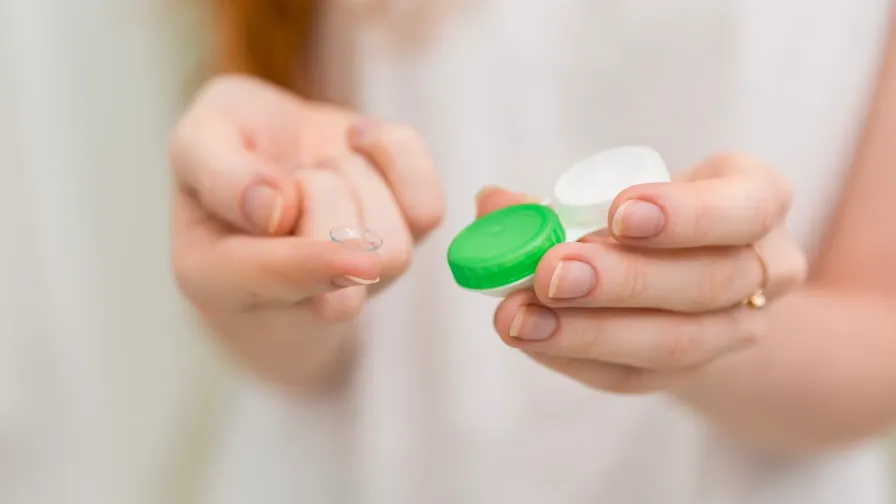
Contact lenses are a wonderful alternative to glasses: freeing for sport, handy at work, and a real confidence boost for many. But a lens sits directly on the surface of your eye, so it earns a bit of respect. Almost every contact-lens problem we see could have been prevented.
The do’s
- Wash and dry your hands thoroughly before you touch your lenses. Every single time.
- Use fresh solution for cleaning and storing, and rub-and-rinse the lens even with “no-rub” products.
- Replace lenses on schedule, whether daily, fortnightly or monthly. The date really does matter.
- Replace your lens case regularly, and let it air-dry face-down between uses.
- Stick to the wearing hours your eye doctor recommends, and give your eyes lens-free days.
The don’ts
- Do not sleep in your lenses unless they are specifically approved for it. This is one of the biggest causes of serious infection.
- Never put tap water or saliva anywhere near a lens. Water carries organisms that can trigger severe, sight-threatening infections.
- Do not shower or swim in your lenses without protection, for the same reason.
- Do not “top up” old solution. Discard it and pour fresh.
- Do not push through pain. Redness, pain, watering or blurred vision means lenses out and a call to your eye doctor.
The golden rule
If an eye turns red, painful or watery while you are wearing lenses, take the lens out at once and have it looked at. A minor irritation caught early is nothing. The same problem ignored for two days can turn serious.
A proper fitting matters too. Lenses that fit well and suit your eyes are far more comfortable and far safer. You can read about our contact lens service here.
In the end, contact lenses are exactly as safe as the habits of the person wearing them.
This article is general information, not a substitute for a personal consultation. If you have concerns about your eyes, please get in touch.
Have a question about your eyes?
A short conversation is often all it takes. We’re happy to help.
Book Appointment