
Glaucoma: The Silent Thief of Sight — and Why Early Detection Matters
Glaucoma often causes no pain and no early symptoms, quietly narrowing your vision before you notice. The sight it takes cannot be restored, but with early detection it can almost always be protected.
S By Dr. Shetal Mahendrasinh Raj
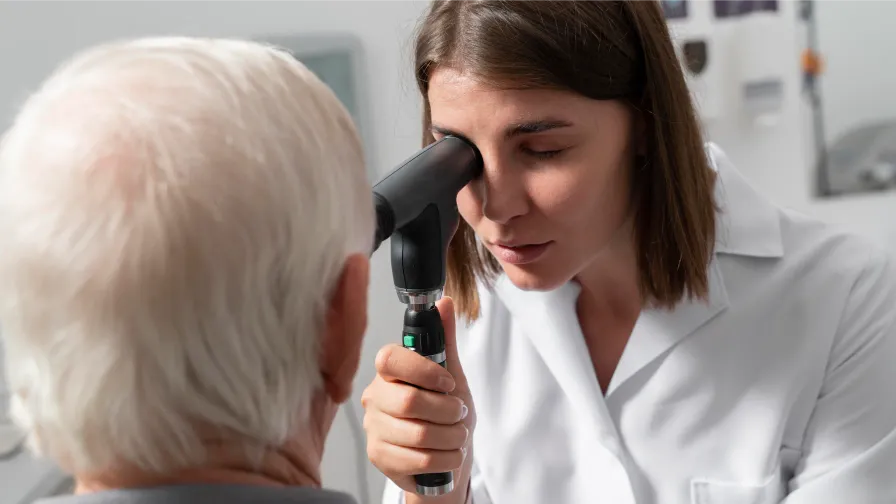
Glaucoma is often called the “silent thief of sight,” and the name is well earned. It is a group of conditions that damage the optic nerve, the cable carrying images from your eye to your brain, usually because of raised pressure inside the eye. The cruel part is that it typically arrives with no pain and no early symptoms.
Why it is so easy to miss
Glaucoma tends to take your peripheral (side) vision first, and it does so gradually. Your brain quietly fills in the gaps, so you can lose a surprising amount of vision before anything feels wrong. By the time central vision is affected, a lot of damage has often already been done, and sight lost to glaucoma cannot be recovered.
That is exactly why it deserves to be taken seriously before there are any symptoms.
Who is more at risk?
Be especially proactive if you:
- Are over 40, and more so over 60.
- Have a family history of glaucoma.
- Have diabetes or high blood pressure.
- Are very short-sighted (a high minus number).
- Have used steroid medication over a long period.
The reassuring part: it is detectable and treatable
A routine eye examination can pick up glaucoma early through simple, painless tests: measuring your eye pressure, examining the optic nerve, and checking your field of vision. Once found, it can usually be controlled well with eye drops, laser or surgery to keep the pressure safe and protect the sight you have. You can read more about our glaucoma care here.
The aim of treatment is not to bring back lost sight. It is to stop any further loss, and that is why finding glaucoma early changes everything. If it runs in your family, please do not wait for symptoms. The check-up is simple, and the stakes are high.
This article is general information, not a substitute for a personal consultation. If you have concerns about your eyes, please get in touch.
Have a question about your eyes?
A short conversation is often all it takes. We’re happy to help.
Book Appointment