
Caring for your eyes, one habit at a time
Practical, trustworthy articles on protecting your vision and understanding your eyes — written to be genuinely useful.

How Do You Know When It's Time for Cataract Surgery?
A cataract doesn't have to be "fully mature" before it's removed. The real question is simpler — is your cloudy vision getting in the way of the life you want to live?
Read article
Protecting Your Eyes in a World of Screens
Digital eye strain and dry eye are more common than ever. A few small, practical habits can make a real difference to how your eyes feel at the end of the day.
Read article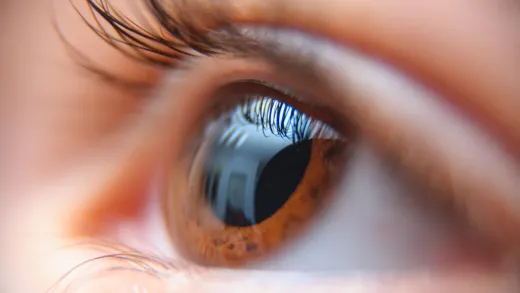
Monofocal, Multifocal or Toric? Choosing the Right Lens for Cataract Surgery
The artificial lens placed during cataract surgery stays with you for life. Understanding your options — and being honest about your daily routine — matters more than picking the "most advanced" lens.
Read article
Glaucoma: The Silent Thief of Sight — and Why Early Detection Matters
Glaucoma often causes no pain and no early symptoms, quietly narrowing your vision before you notice. The sight it takes cannot be restored — but with early detection, it can almost always be protected.
Read article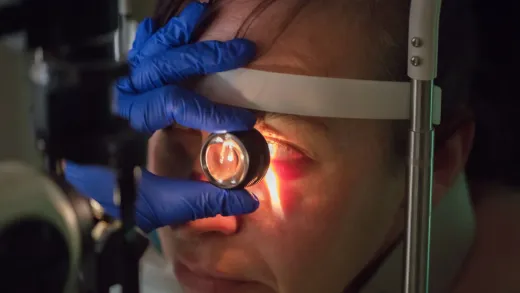
Diabetes and Your Eyes — Why Every Diabetic Needs an Annual Retina Check
Diabetes can quietly damage the delicate blood vessels of the retina long before your vision changes. A yearly dilated eye check is one of the most valuable things a person with diabetes can do.
Read article
What Actually Happens During a Comprehensive Eye Examination
A proper eye check is far more than reading letters off a chart. Here's what a comprehensive examination looks at — and why it can reveal problems long before you'd ever feel them.
Read article
Contact Lens Do's and Don'ts: Wearing Lenses Safely
Contact lenses are safe and comfortable when they're respected — and a source of nasty infections when they're not. A few simple habits protect your eyes for the long run.
Read article
Dry, Gritty Eyes in Ahmedabad? Causes and Simple Relief
Dust, heat, air-conditioning and long screen hours make dry eye especially common in a city like Ahmedabad. Understanding why your eyes feel gritty is the first step to comfort.
Read article
Cloudy Vision Months After Cataract Surgery? Understanding PCO and YAG Laser
If your vision was crisp after cataract surgery but has slowly turned hazy again months or years later, it's usually not the cataract "coming back" — it's a common, easily treated after-effect called PCO.
Read article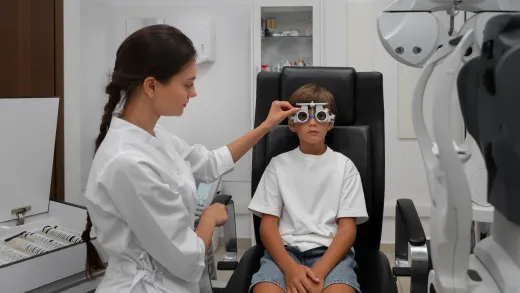
Sitting Too Close to the TV? Signs of Vision Problems in Children
Children rarely say "I can't see well" — because they don't know what normal vision looks like. Parents are often the first to spot the quiet signs, and early detection can protect a child's sight for life.
Read article
5 Common Myths About Cataract Surgery — Cleared Up
Fear of cataract surgery usually comes from outdated ideas passed down from a generation ago. Modern cataract surgery is quick, gentle and remarkably safe — let's clear up the most common myths.
Read article
Recovering After Cataract Surgery — What to Expect, Week by Week
Cataract surgery recovery is usually smooth and quick. Knowing what's normal — and what isn't — helps you heal with confidence and get the best possible result.
Read article
Presbyopia: Why Your Arms Suddenly Feel 'Too Short' After 40
If you've started holding your phone or the newspaper at arm's length to read it, you're experiencing presbyopia — a completely normal part of ageing, and a very manageable one.
Read article
Foods and Habits That Genuinely Support Healthy Vision
No food can reverse an eye disease, but the right diet and everyday habits really do help protect your vision over a lifetime. Here's what the evidence actually supports.
Read article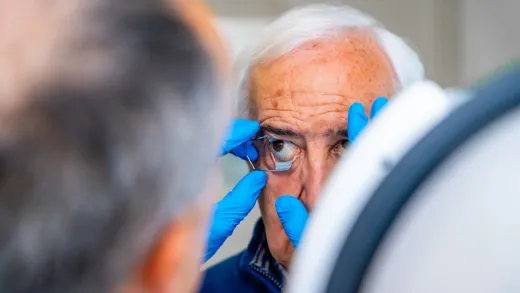
Age-Related Macular Degeneration: Protecting Your Central Vision
The macula is the tiny part of the retina responsible for the sharp, central vision you use to read faces and words. Age-related changes to it are a leading cause of vision loss after 60 — and early detection helps.
Read article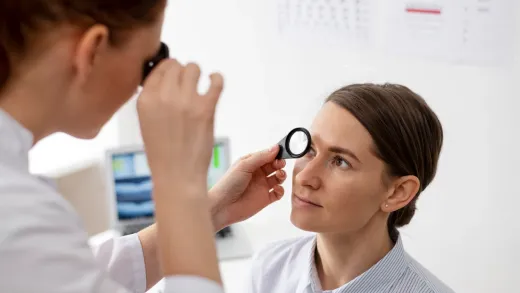
Flashes, Floaters and Sudden Vision Loss: When an Eye Problem Is an Emergency
Most eye symptoms are minor. But a few — sudden flashes, a shower of floaters, or a curtain over your vision — can signal a retinal emergency where hours matter. Knowing the difference is important.
Read article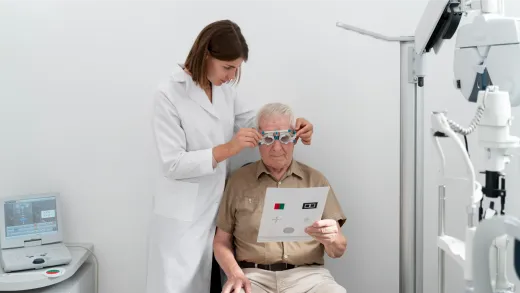
Why Everyone Over 40 Should Have a Regular Eye Check-Up
Many sight-threatening conditions begin silently after 40, with perfect vision and no symptoms. A regular eye check is the simplest, most powerful thing you can do to protect your sight.
Read article
Living Well with Low Vision — How Rehabilitation Helps
When vision loss can't be fully corrected by glasses, medicine or surgery, life doesn't have to shrink. Low-vision rehabilitation helps people keep reading, moving and doing the everyday things that matter — independently.
Read article